
Seasonal Drinks 2026: What Flavours Are Shaping Winter Beverage Innovation?
Christmas drinks have always been rooted in familiarity. Mulled wine, gingerbread, spiced apple and cinnamon evoke tradition, but seasonal beverage trends for 2026/27 suggest that Christmas drinks are becoming more adventurous.
For global food and beverage brands, seasonal launches can create excitement, encourage trial and give consumers a reason to engage at key moments. The challenge for R&D and product development teams is identifying trends with genuine potential and translating them into commercially relevant flavour concepts.
What are the key seasonal drink trends for 2026?
A key theme is the balance between familiarity and discovery. Consumers still enjoy nostalgic seasonal flavours, but brands are refreshing them through new formats, combinations and occasions.
Limited-time, occasion-led launches also let brands build excitement without adding a permanent product to the range. So, what flavour directions should beverage developers watch?
Which flavours are trending in seasonal drinks?
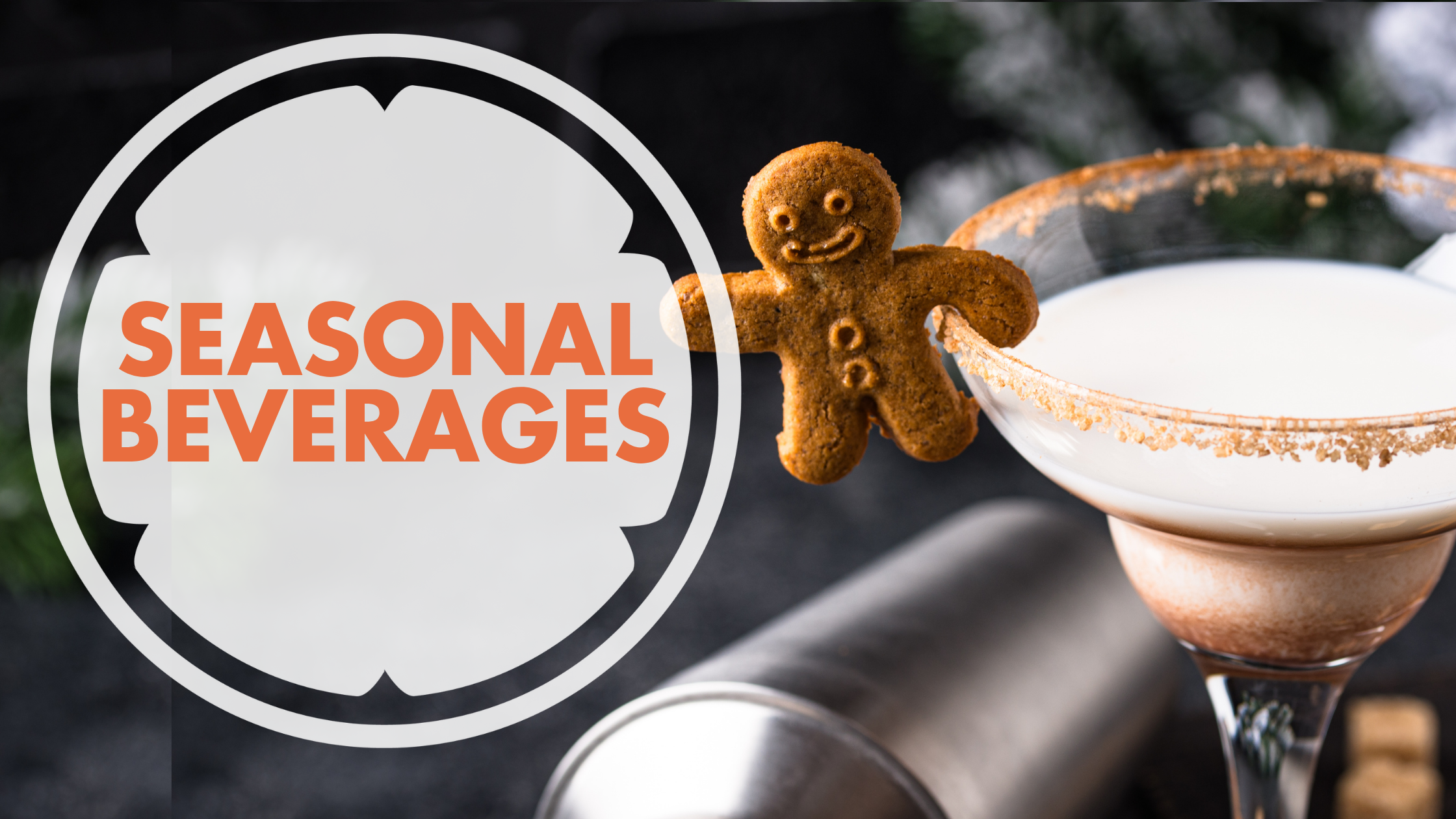
Nostalgic flavours remain a strong starting point for seasonal beverage innovation. Spiced apple, gingerbread and caramel are appearing in RTDs, cocktails, coffee and alcohol-free drinks, while tiramisu, pavlova, apple pie, cheesecake and caramel pecan add indulgence. Nostalgia, with a modern twist.
The opportunity is often not to reinvent a flavour, but to put something recognisable into a new format or pair it with an unexpected ingredient.
This balance matters for limited editions: the flavour must signal the occasion quickly while still giving consumers a reason to try something new.
Are warming spices still trending in winter beverages?
Warm spice remains one of the clearest festive signals. Gingerbread, cinnamon, nutmeg, cardamom and allspice deliver winter warmth, while toasted marzipan, honeycomb and crème brûlée bring indulgence.
Developers can also look beyond traditional Christmas spice. Chai, ginger and profiles such as gochujang show how familiar warmth can meet more contemporary directions, creating layered flavour profiles for beverages without losing seasonal recognition.
What are the trends in alcohol-free seasonal drinks?
The alcohol-free beverage category continues to develop as consumers seek sophisticated drinks rather than simple substitutes for alcoholic serves.
Mulled pear, ginger and vanilla, winter berries, chamomile and lavender can create a premium experience. Botanical mocktails, festive sparkling drinks and alcohol-free cocktail-style serves give brands scope to build Christmas beverage development around flavour rather than alcohol.
Which fruit flavours work well in winter drinks?
Winter drinks do not have to be heavy. Fruit adds freshness and acidity to balance richer, sweeter and spiced profiles.
Apple, pear, fig and cherry work naturally with winter flavours, while orange, mandarin, clementine, pomegranate and cranberry add brightness. Winter citrus can lift richer profiles and offer a modern take on festive favourites.
Across different markets, these combinations can be adapted to local preferences and consumption occasions.
Are botanical flavours becoming more popular in seasonal beverages?
Tea, floral and aromatic profiles are gaining ground in winter beverages. Earl Grey, black tea, hojicha, rose, lavender, chamomile, cherry blossom and saffron offer sophisticated combinations.
Unexpected ingredients including black sesame, tahini, pistachio, coffee, miso, sea salt and brown butter also show how seasonal beverage innovation is moving beyond the traditional palette. Used as accents, they can add depth to a familiar profile.
How can brands make seasonal drinks stand out?
Seasonal drinks are about more than what is in the glass. Limited-edition flavours, festive packaging and distinctive formats can work together to create excitement and encourage trial.
Familiar flavours, new combinations and strong visual cues can connect a product to a specific occasion. For developers, the flavour therefore needs to support the wider proposition: the right mix of flavour, format and positioning makes a launch feel relevant.
What do the latest seasonal beverage trends mean for brands?
The opportunity for 2026/27 is not simply to move away from traditional Christmas flavours. It is to understand where familiarity meets newness and turn that insight into a commercially viable proposition.
The strongest seasonal drinks will balance familiarity, discovery and indulgence. A recognisable flavour provides an immediate seasonal cue; an unexpected pairing or format provides the reason to try.
For R&D teams and product developers, that might mean pairing cranberry with a classic cocktail, giving gingerbread a botanical twist, combining winter citrus with warming spice, or moving a familiar dessert flavour into a new drink format.
Successful development still requires an understanding of the flavour, application, target consumer and market, followed by a solution that performs consistently at scale.
At Lionel Hitchen, we combine market insight, flavour expertise and technical knowledge to help food and beverage businesses move from an initial idea to a commercially relevant solution.
Whether you are developing for one market or several regions, our team can help identify the right flavour direction, refine the profile and support the development journey.
Looking for flavour inspiration for your next seasonal beverage? Talk to our team about where the next opportunity could be.
Sources Mintel – Food & Drink Market Intelligence GlobalData – Food & Beverage Consumer Insights thefoodpeople – Flavour & Innovation Trends